
An Incredibly Easy Method That Works For All
10 Apr 2021
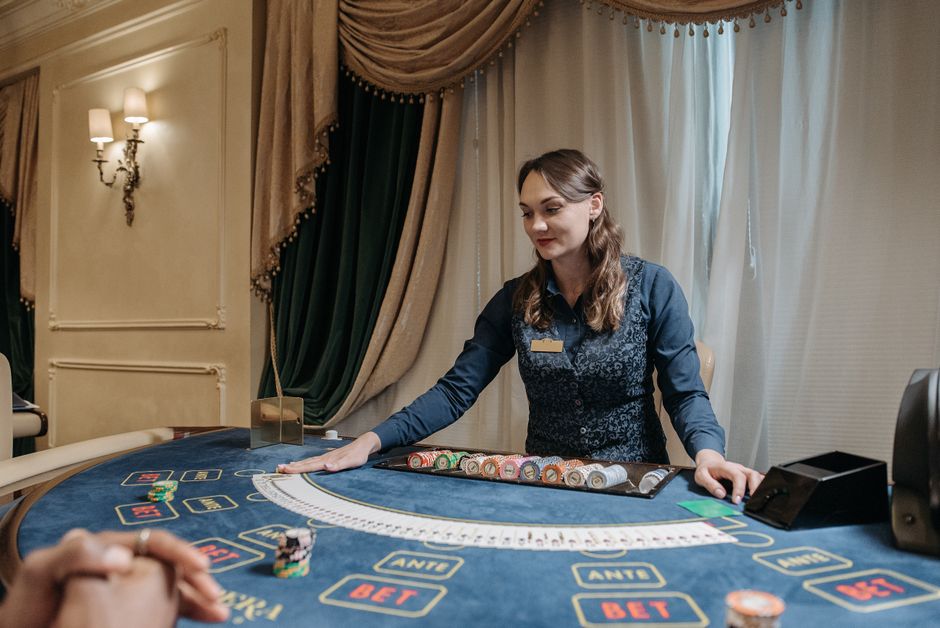
There's a moment every gambler knows. It's the split second between placing a bet and seeing the result, when the brain releases a tiny hit of dopamine and the outcome is still theoretically in your favor. That moment is the product. Everything else — the flashing slot reels, the poker table felt, the odds ticker on a football match — is packaging. Understanding that distinction is the difference between someone who treats iGaming as entertainment and someone who funds it like a second rent payment.
I've spent years around casino floors, online poker rooms, and sportsbooks, watching how both casual players and grinders approach the ecosystem. This isn't a lecture on morality or a disguised affiliate pitch. It's a practical breakdown of how modern iGaming actually works, where the real edges are, and what the data says about who walks away up.
Modern video slots aren't mechanical machines with physical reels. They're random number generators running millions of simulations per second, and every spin is independent. That's the part most players get wrong — the machine is never "due" for a payout.
What actually matters is Return to Player (RTP), a percentage baked into the game's math model. A slot with 96% RTP pays back $96 for every $100 wagered over millions of spins. In a single two-hour session, variance can swing wildly in either direction. Here's a rough guide to what different RTP tiers mean:
Volatility matters more than RTP for session experience. A high-volatility slot like a Megaways title might go 40 spins without a win, then pay 200x. A low-volatility game hits constantly but small. Neither is "better" — they suit different bankroll sizes and temperaments. If you have a $50 bankroll and want it to last an hour, betting $2 on a high-volatility slot is a coin flip you'll lose quickly. Bet $0.20 instead and you'll actually get playtime.
Hold margin (the vig) is the easiest way to spot where a sportsbook makes its money. Standard -110 lines on a two-way market carry roughly a 4.5% hold. That means the book profits on volume, not on picking winners. Your job as a bettor is to overcome that margin with information or timing. A good place to continue is สล็อตเว็บตรง.
The most consistent edge in online betting has historically been line shopping — placing the same bet at the best available price across multiple books. On a $100 bet at -110 versus -105, that's a $2.38 difference in payout. Convert that to hundreds of bets per year and it's a real number, sometimes the difference between a winning and losing season.
Other angles sharp bettors use:
Every poker hand ends with someone making a decision that either creates or destroys value. That's why poker is classified as skill-based despite the randomness of card distribution — the same cards dealt to two different players produce different long-term results.
The edge in poker comes from three places: understanding ranges rather than specific hands, exploiting opponent tendencies, and managing tilt. The last one is underrated. A player who wins 60% of sessions but goes on monkey tilt after a bad beat will still lose money. Emotional control is a technical skill, not a personality trait.
If you're playing online cash games, understand rake. At low stakes, rake can consume 5% or more of every pot, which means the average player is playing a negative-sum game. Winning players are essentially beating the rake and their opponents. That's why moving up in stakes often improves your relative profitability — the rake is proportionally smaller.
Almost nobody who gambles has a mathematical edge. Slot players, live blackjack players, and casual sports bettors are structurally playing a negative expectation game. That's fine — entertainment has a cost. A cinema ticket costs money too.
The people who actually extract value from iGaming tend to share a few traits:
That last point isn't filler. Regulated markets typically mandate responsible gambling tools, and using them voluntarily is a sign of a functioning player, not a weak one.
Ten years ago, online gambling was a grey market for most players. Today, regulated jurisdictions require operators to prove game fairness through independent auditors like eCOGRA or GLI, hold player funds in segregated accounts, and honor withdrawal requests within defined timeframes.
The trade-off is that regulated markets often have tighter odds, restrictions on bonuses, and mandatory KYC checks. Some players grumble about verification delays, but the alternative — an unlicensed operator that disappears with your balance — is far worse. Stick to licensed platforms and check the licensing authority on the footer of the site. Curacao licenses are common but lighter-touch; Malta, UK, and US state licenses carry stricter oversight.
iGaming isn't a magic money machine, and it isn't the devil either. It's a highly sophisticated entertainment industry built on math that favors the operator. The slot player paying 96% RTP is buying an experience. The sports bettor overcoming a 4.5% hold with sharp line shopping is playing a genuine, if brutal, skill game. The poker player grinding micro-stakes is competing against other humans with a rake skimming the pot.
Know which category you're in, size your bets accordingly, and never let the thrill of the moment override the math you did when you were calm. That's not a buzzkill — it's the only approach that lets you enjoy iGaming for years without it quietly consuming more than you intended to spend.

Aip Services Real stories, useful guides and the occasional recommendation, all in one calm corner of the web.

April 25, 2019 at 10:46 am
Take in the iconic skyline and visit the neighbourhood hangouts that you've only ever seen on TV. Take in the iconic skyline and visit the neighbourhood.


Want to be notified when we launch a new template or an udpate. Just sign up and we'll send you a notification by email.


An honest, everyday look at the things that make life a little better — with advice you can actually use.

Soldman Kell
April 25, 2019 at 10:46 am
Take in the iconic skyline and visit the neighbourhood hangouts that you've only ever seen on TV. Take in the iconic skyline and visit the neighbourhood.