
An Incredibly Easy Method That Works For All
10 Apr 2021
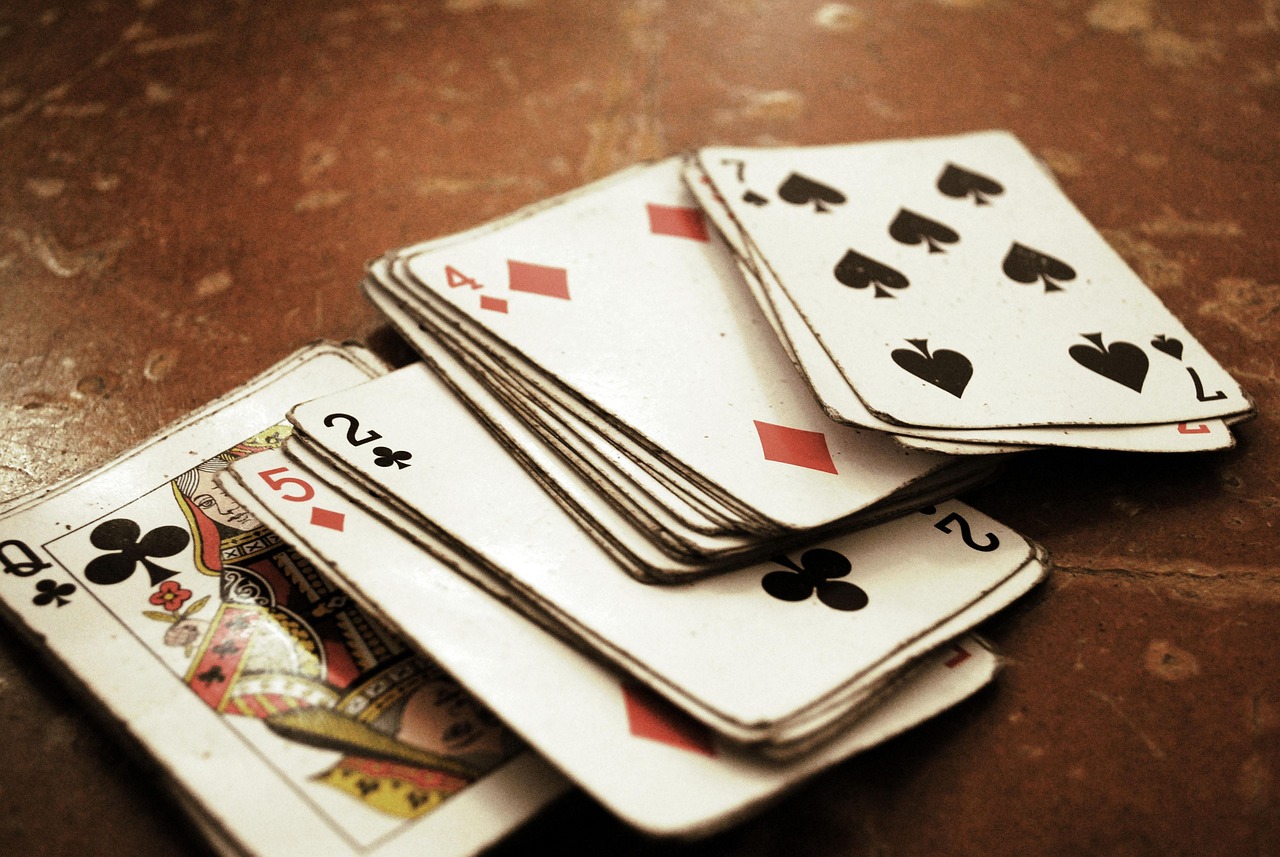
Ask ten regular players what separates a profitable bettor from a broke one, and you'll get ten different answers. Some will swear by bankroll discipline. Others will tell you it's all about reading the table. A few will shrug and say the house always wins anyway, so why bother? All three answers contain a fragment of truth, but none of them gets to the heart of it. The real dividing line in iGaming isn't luck, discipline, or even game selection. It's understanding which games reward skill, which ones merely tolerate it, and which ones laugh at you for trying.
That distinction matters more than most players realize, and getting it wrong is expensive. Let's break down where skill actually lives in the casino ecosystem — and where it absolutely doesn't.
New players often lump everything under one umbrella: casino games are gambling, gambling is random, therefore everything is luck. That's clean logic, and it's wrong. A more useful mental model is a spectrum that runs from pure chance on one end to near-deterministic strategy on the other.
On the pure-chance end: slots, keno, most scratch cards, and the big wheel on Wheel of Fortune-style games. There is no decision you can make during a spin that changes the expected return. The RNG does its thing, the reels stop where they stop. On the skill-heavy end: poker, blackjack (with card counting), sports betting, and daily fantasy. In between sit games like video poker, baccarat (slight edge to the Banker bet), and craps, where optimal play nudges the house edge down but can't eliminate it.
Knowing where a game sits tells you what to expect from it. It also tells you whether "getting better" is a meaningful goal or a comforting illusion.
Poker is the clearest example in the entire iGaming world. Two players can sit at the same table, play the same hands, and one walks away up while the other is down. That's not variance — it's decision quality. Position, pot odds, bet sizing, reading opponents, folding when you're beat: these are learnable, repeatable skills that directly affect your win rate over thousands of hands. A strong player beats a weak player over any meaningful sample size, full stop. บาคาร่า covers this in more detail.
Sports betting works similarly, though the skill is front-loaded. Once you place a bet, you're a spectator. The edge comes from research: understanding line movement, injury reports, weather, public betting percentages, and closing line value. Beating the closing line consistently is one of the few reliable signs that a bettor actually has an edge rather than a hot streak.
Blackjack is a strange middle case. Basic strategy reduces the house edge to roughly 0.5%, and card counting can push it positive — but only if the casino doesn't catch you, and only if you can execute it flawlessly under pressure. For most recreational players, blackjack is a low-house-edge game that rewards knowing the strategy chart, not a skill game in any meaningful sense.
This is where people get defensive. Slot players sometimes talk about "hot machines" or "due" payouts, as if the game is keeping score. It isn't. Modern slots use certified random number generators that produce an independent result on every spin. Two spins on the same machine have no memory of each other. The RTP (return to player) is baked into the math model — typically 92% to 97% online — and it will express itself over millions of spins, not over your session.
What you can control on slots:
Notice what's missing: no system, no pattern, no timing trick. Anyone selling you a "slot strategy" is selling you a story.
If you want to play games where skill compounds, here's a practical reality check. Skill-based iGaming is a grind, not a thrill ride.
Contrast that with slots, where the optimal strategy is arguably to not play at all if profit is the goal — and to play with a firm entertainment budget if it isn't.
One more nuance that trips people up. A game's house edge applies to the game, not to you as an individual. Slots might carry a 4% house edge, but a specific player can absolutely be up 300% after a lucky session. Poker might be a skill game, but a strong player can lose five buy-ins in a night because the river hates them. Variance exists everywhere.
The difference is what happens over 10,000 hours. In slots, variance smooths out and you drift toward the RTP minus the house edge. In poker, variance smooths out and you drift toward your actual win rate — which, if you're good, is positive. That's the whole game in one sentence: in chance games, long-run results regress to the house edge; in skill games, they regress to your ability.
None of this is a moral argument against slots or in favor of poker. Both offer real entertainment, and there's a legitimate, grown-up case for playing either — as long as you know which one you're playing. Slots are a paid experience with a chance at a windfall. Poker and sports betting are a market where your edge, or lack of it, shows up eventually. Confusing the two is how people end up chasing losses on a machine with a 95% RTP, convinced their system is about to turn the corner.
So before you deposit, ask yourself one question honestly: am I here to be entertained, or am I here to win? If it's the first, set a budget, enjoy the ride, and walk away when it's gone. If it's the second, pick a game where your decisions actually matter — and then do the work. The players who genuinely win in this industry aren't lucky. They're just clear-eyed about which game they're playing, and they never forget it.

Aip Services Real stories, useful guides and the occasional recommendation, all in one calm corner of the web.

April 25, 2019 at 10:46 am
Take in the iconic skyline and visit the neighbourhood hangouts that you've only ever seen on TV. Take in the iconic skyline and visit the neighbourhood.


Want to be notified when we launch a new template or an udpate. Just sign up and we'll send you a notification by email.


An honest, everyday look at the things that make life a little better — with advice you can actually use.

Soldman Kell
April 25, 2019 at 10:46 am
Take in the iconic skyline and visit the neighbourhood hangouts that you've only ever seen on TV. Take in the iconic skyline and visit the neighbourhood.